
Fox Refinery: The gasoline crisis is regional and will end in Sulaymaniyah within two months.
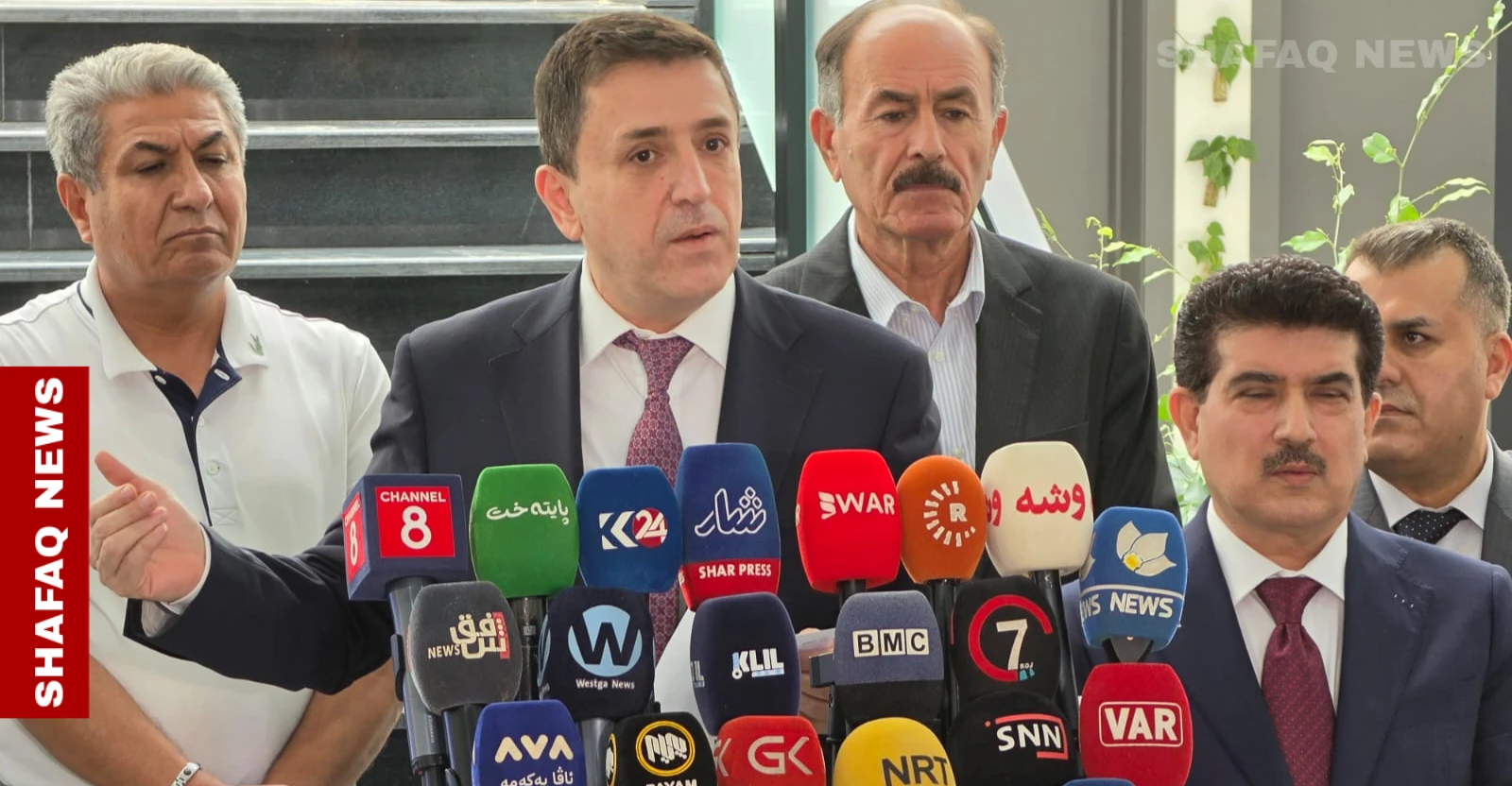 Sardar Haji Khalid, owner of the Fox refinery for oil derivatives, confirmed on Monday that the current gasoline crisis is not limited to the Kurdistan Region, but extends to most countries in the region, expecting the price hike crisis in Sulaymaniyah Governorate to end within two months. News
Khaled said during a press conference attended by Shafaq News Agency that “the current crisis is global in nature and has affected all countries in the region, as they too are suffering from a shortage of gasoline.”
He added that “gasoline was previously smuggled to the cities of Erbil and Sulaymaniyah from Iraqi regions, but that has now stopped, which has led to higher prices.”
He pointed out that “the daily need for gasoline during the summer is about seven million liters, while only three million liters are currently available, which calls for taking urgent measures to address the shortage.”
He continued: “I bring good news to the citizens of Sulaymaniyah that the crisis of high gasoline prices in the city will end within the next two months.”
For his part, Bahman Abdul Qadir, spokesman for the owners of gas stations in Sulaymaniyah, said during the press conference attended by Shafaq News Agency that “the decrease in gasoline prices remains dependent on the improvement of the general conditions in the region,” calling on citizens not to expect a decrease in prices before those conditions stabilize.
The “Fuchs” refinery is an oil facility located in the Arabat area of Sulaymaniyah, operating with a production capacity of 6,500 barrels per day to produce gasoline, liquefied gas and benzene.
The gasoline crisis in the Kurdistan region is worsening, as most gas stations experienced shortages or a lack of fuel last week, causing long queues of vehicles in front of the stations that continued to operate on a limited basis, despite recent government decisions to reduce prices.
Before the shortage worsened, the price of a liter of “super” gasoline at commercial stations reached about 2,000 dinars, and the price of “improved” reached about 1,750 dinars, while the price of regular “normal” gasoline exceeded 1,300 dinars, before these types disappeared from a large number of stations.
The acting Minister of Natural Resources in the Kurdistan Regional Government, Kamal Muhammad, confirms that the rise in gasoline prices in the region is mainly due to the inadequacy of the allocated quantities of fuel, and he indicated that the federal government is currently supplying the region with only fifty thousand barrels per day, which is an amount that does not meet the actual need.
Shafaq.com
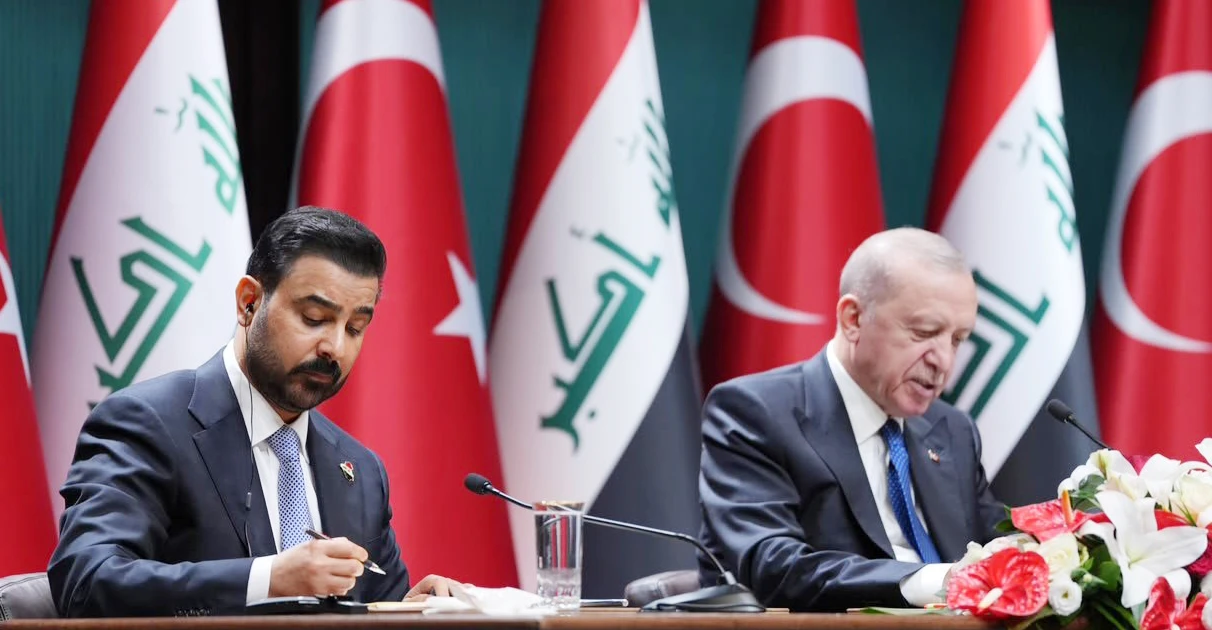 Two Turkish sources suggested on Thursday that crude oil would continue to flow from Iraq to the Turkish port of Ceyhan, as Baghdad and Ankara continue their negotiations to extend the agreement to operate the pipeline for an additional 12 months, according to Reuters. DailyNews Reports
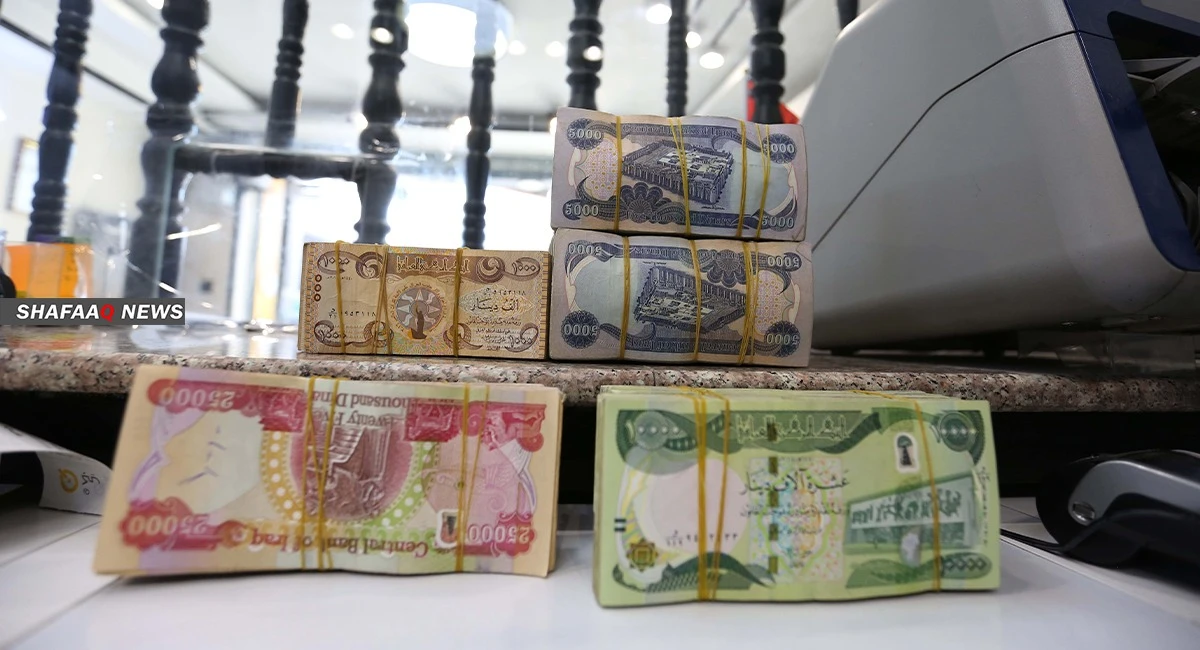 A banking source revealed on Thursday that there is a shortage of liquidity in a number of private banks in Iraq, attributing this to the limited deposits and the decline in citizens’ confidence in private banks, which has weakened their ability to meet some local and international obligations and the requirements of the Central Bank of Iraq. DailyNews Reports
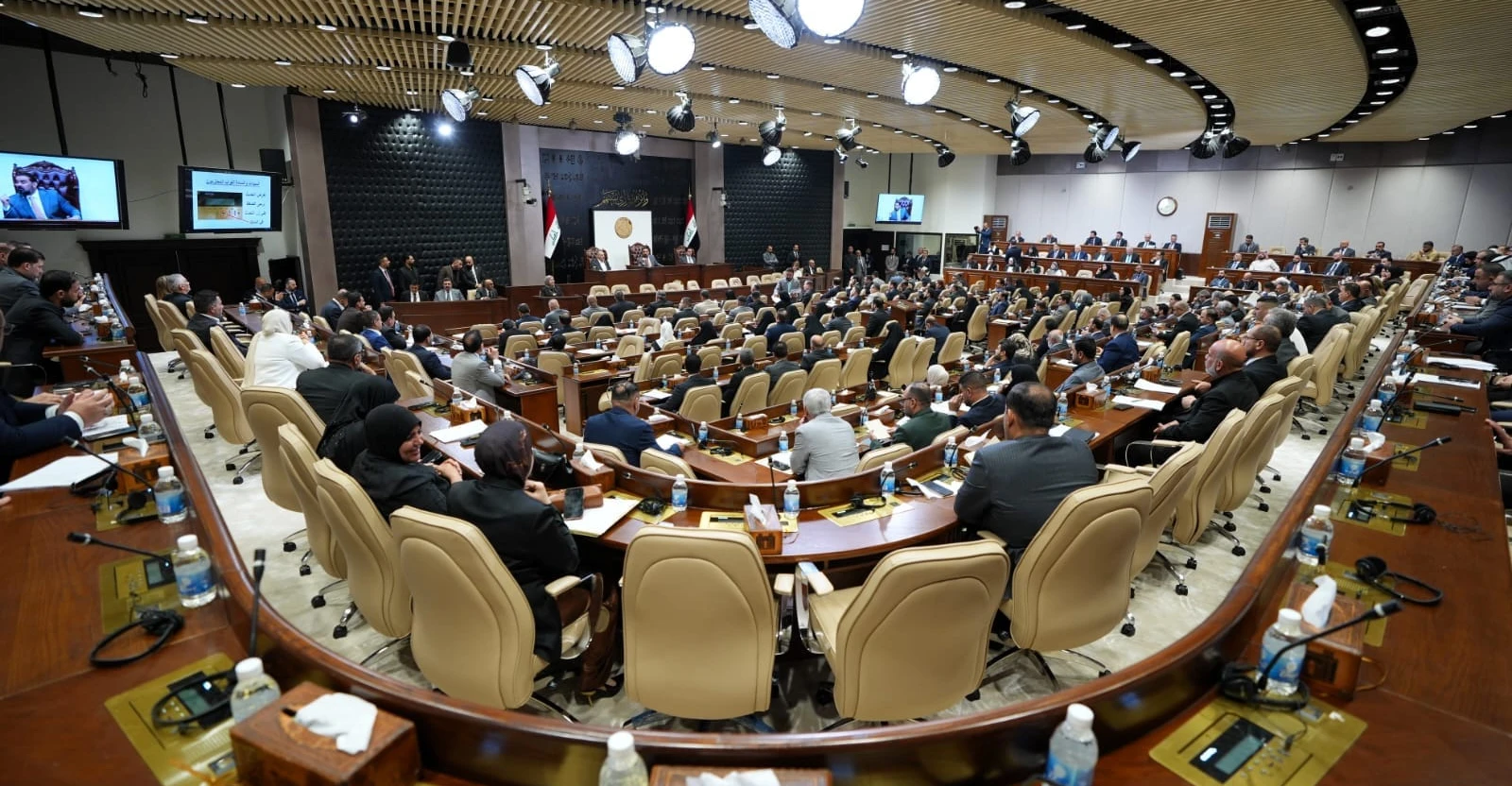 On Thursday, the “Sadiqun” parliamentary bloc submitted a request to the Speaker of Parliament to hold an emergency session within 48 hours to discuss the targeting of the headquarters of the Popular Mobilization Forces and what it described as a “violation of national sovereignty,” which included a number of demands and governmental and parliamentary measures. DailyNews Reports
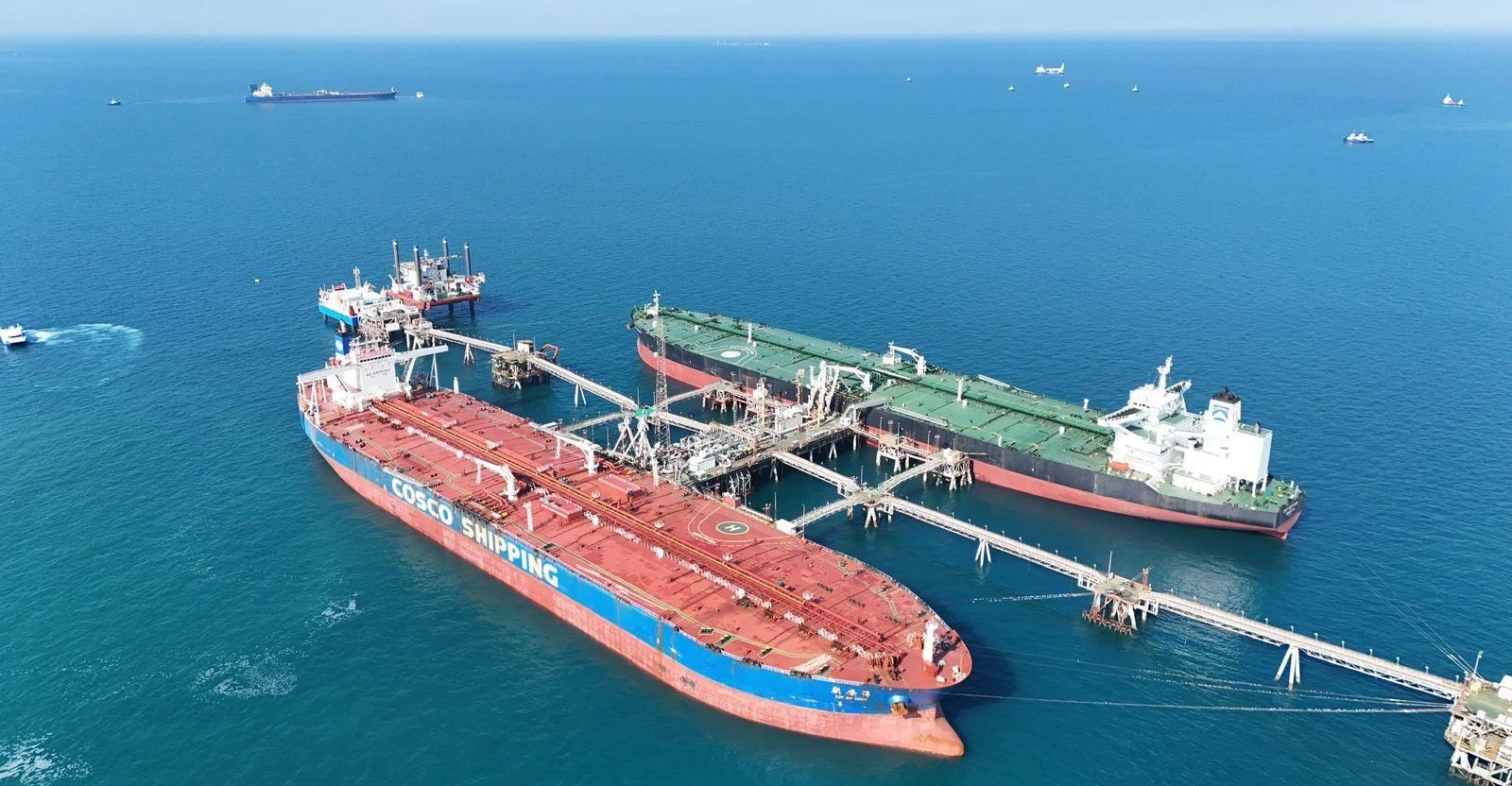 A source at the Iraqi Ports Company reported on Thursday that three crude oil tankers with a capacity of 5 million barrels have docked at the port of Basra in preparation for loading and sailing to global oil markets. DailyNews Reports
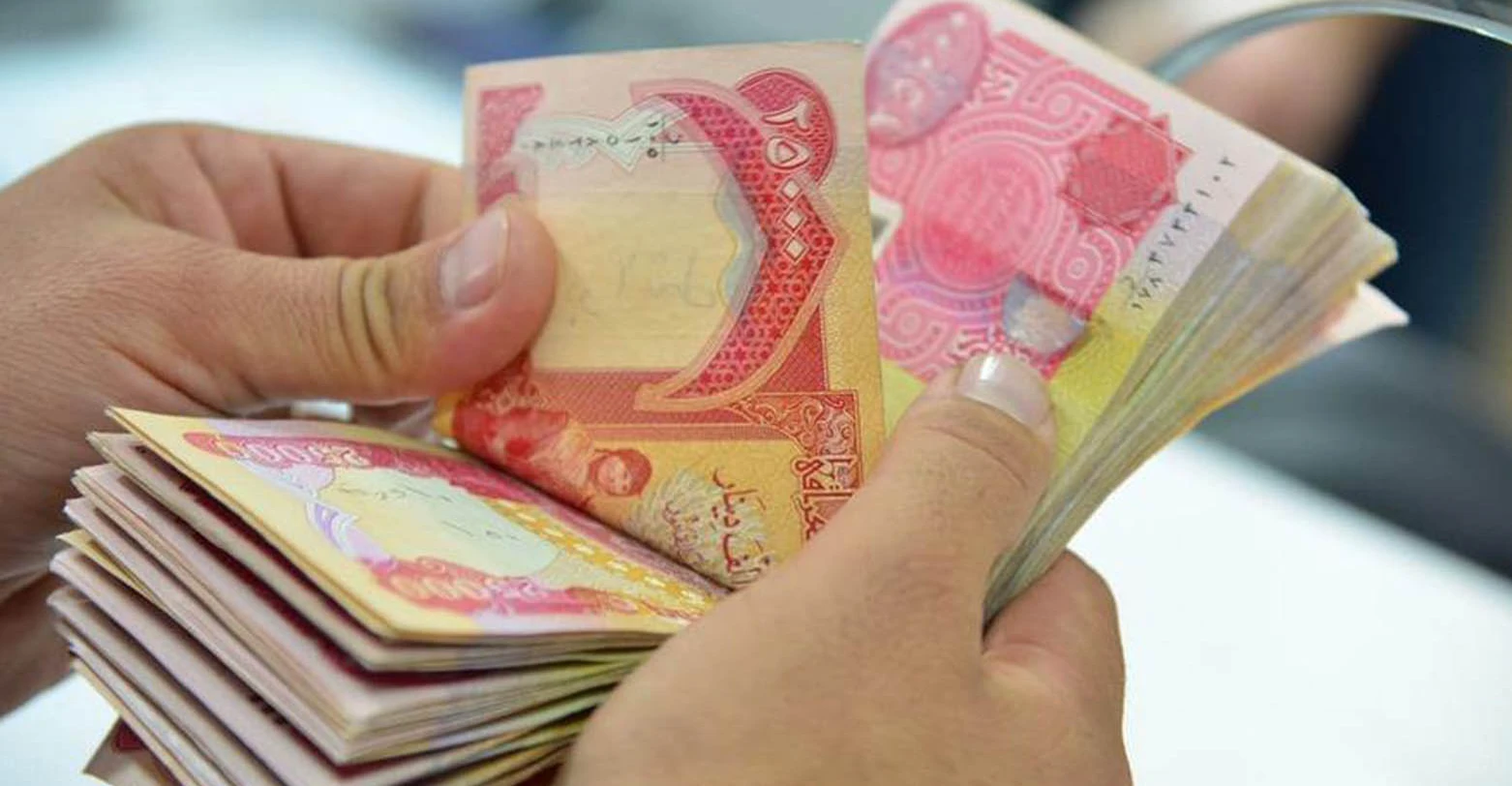 Banking sources revealed on Thursday new and urgent directives to private banks in Iraq, aimed at completing the requirements that were raised during Prime Minister Ali al-Zubaidi’s visit to Washington, in preparation for completing the procedures to lift the sanctions and restrictions imposed on a number of banks. DailyNews Reports
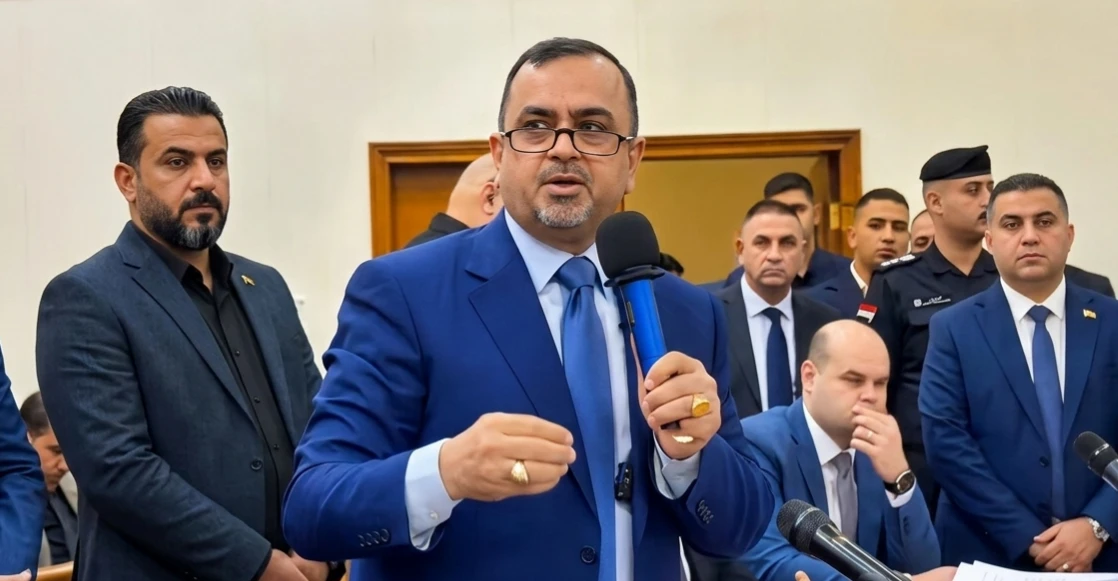 Iraqi Health Minister Abdul Hussein Al-Moussawi acknowledged on Thursday that the government is facing a liquidity crisis that has made securing salaries its priority, while confirming that the General Company for Marketing Drugs and Medical Supplies (Kimadia) has received only 15% of its budget, which has led to its bankruptcy, the disruption of new contracts, and a threat to drug supplies.
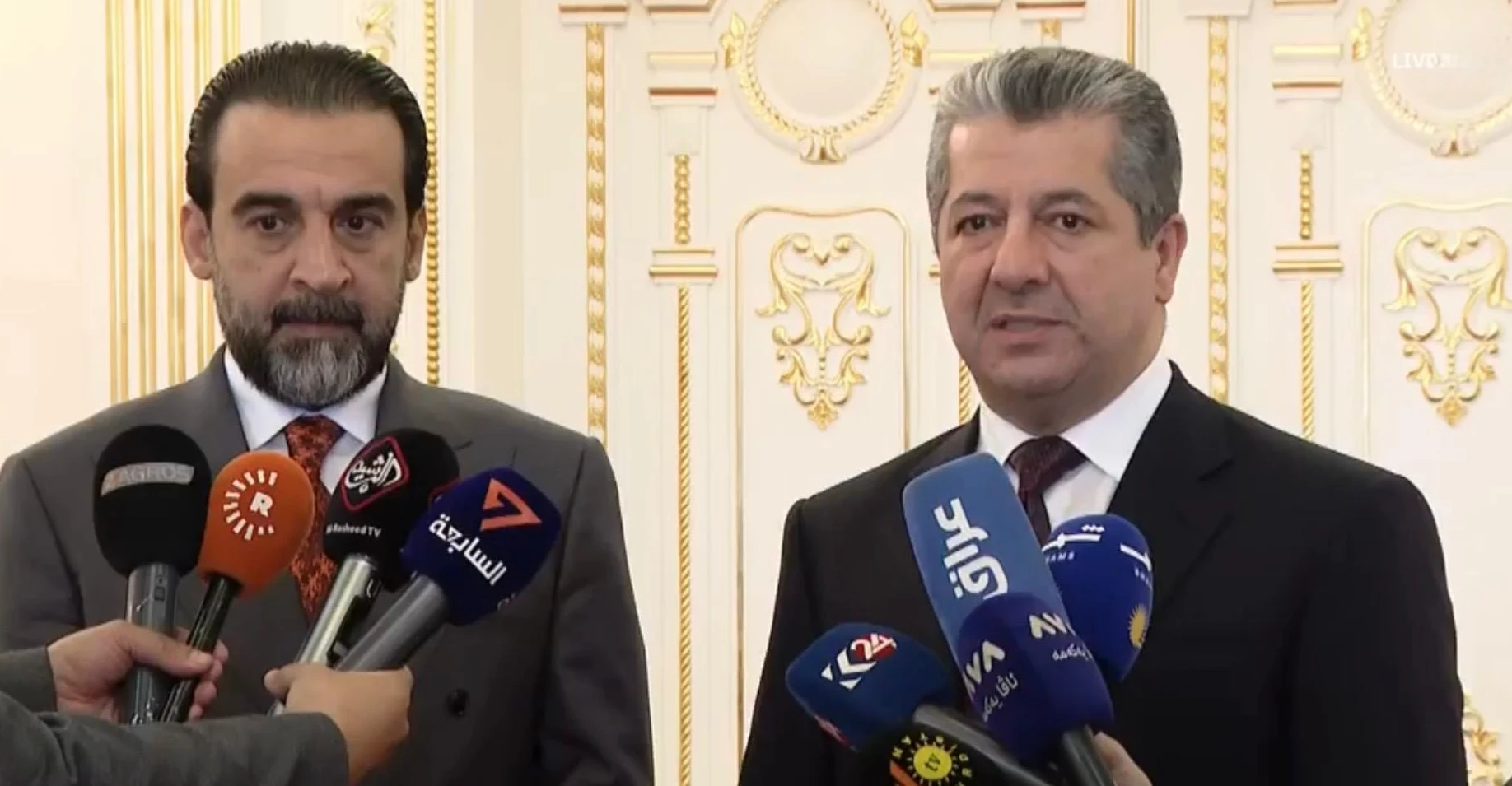 On Thursday, Kurdistan Regional Government Prime Minister Masrour Barzani and the head of the “Progress” party, Mohammed al-Halbousi, affirmed their support for the federal government headed by Prime Minister Ali al-Zubaidi to confront current challenges and overcome the region’s crises. DailyNews Reports
 Minister of Transport, Wahab Al-Hassani, confirmed on Wednesday (July 29, 2026) that the framework memorandum of understanding for the strategic development road project was signed after addressing technical and protocol issues that accompanied the signing procedures with the Turkish side, denying what was raised regarding the agreement being stalled.
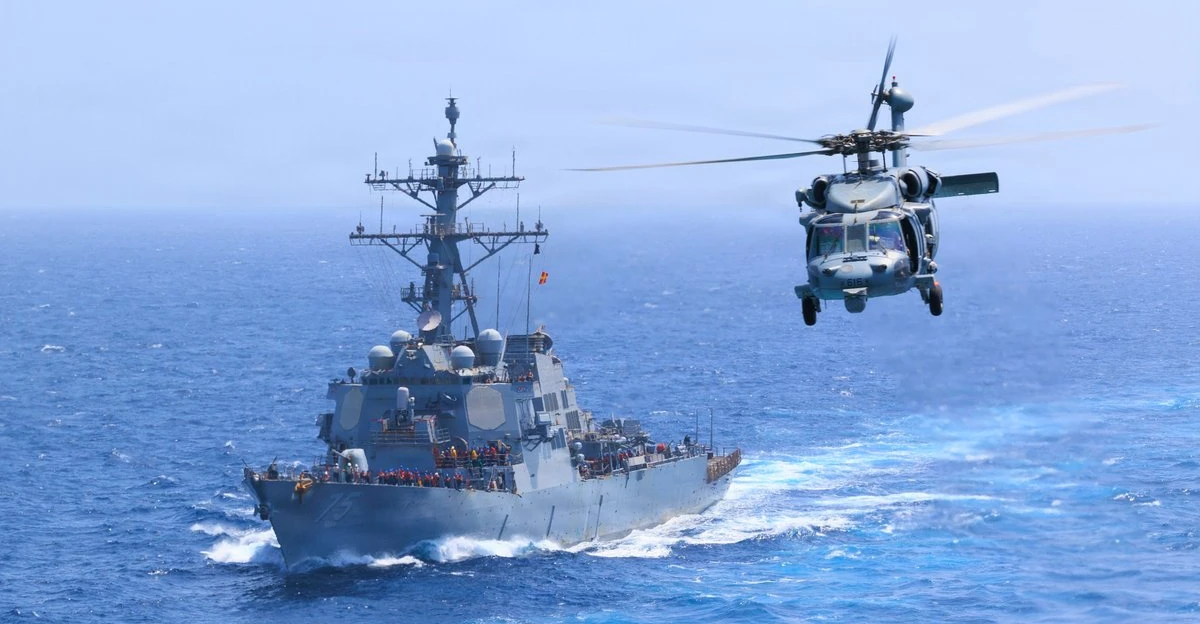 The US Central Command (CENTCOM) confirmed on Wednesday that the Iranian Revolutionary Guard has no authority to impose routes for free and open navigation in the Strait of Hormuz. DailyNews Reports